
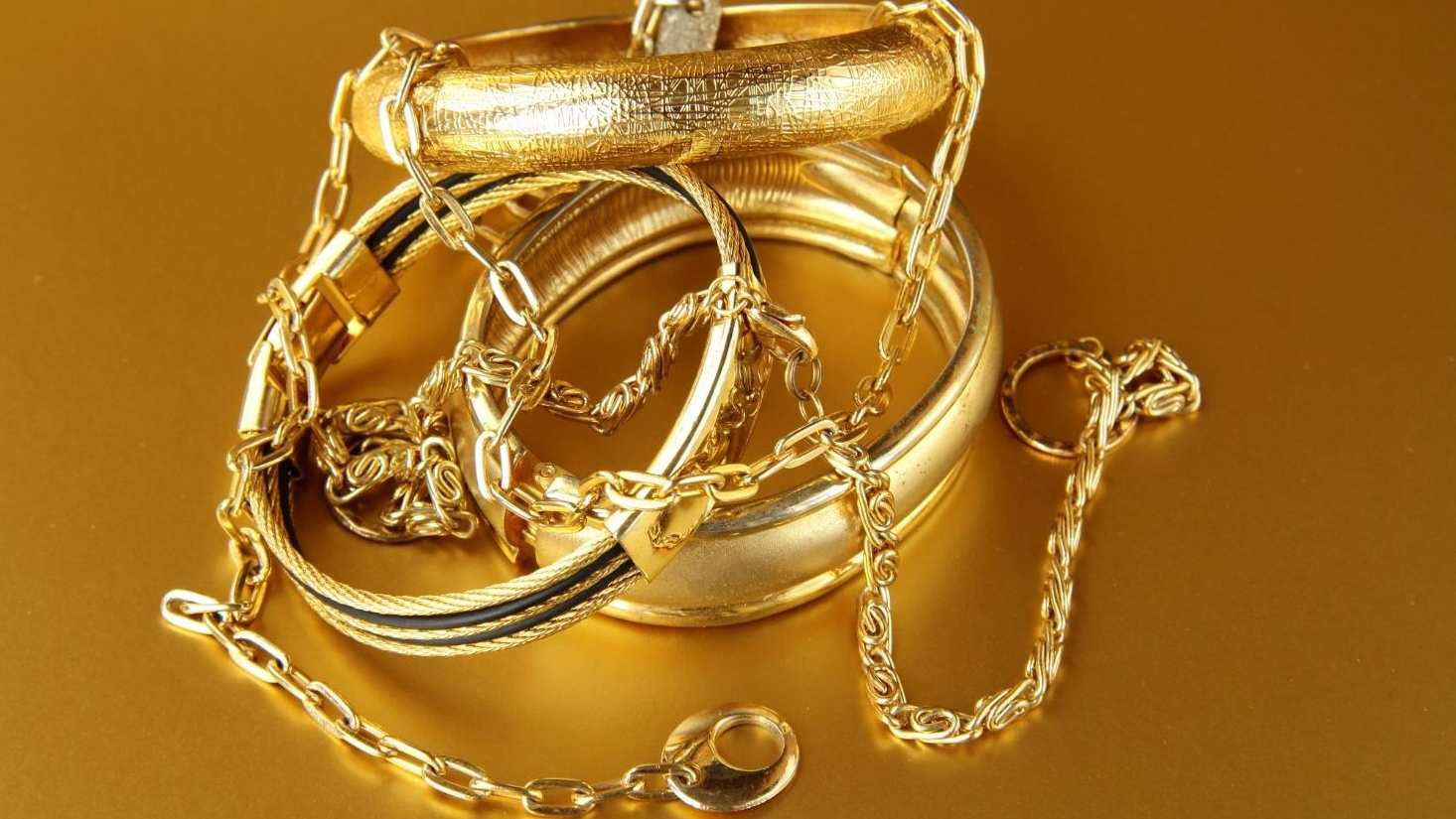
What Is the Difference Between 10K, 14K, 18K and 24K Gold?
Do you have a gold ring, chain, bracelet, or watch that you would like to sell, buy, or have appraised?
It is helpful to understand what 10K, 14K, 18K, and 24K mean. These numbers indicate the purity of the gold, but they also influence its durability, colour, appearance, and potential value.
At Xchange Zone, you can sell, buy or have different valuable items appraised, including jewellery, watches and diamonds. The company also offers buying, selling and exchange services, in addition to carrying new and pre-owned items.
With its seven branches in Quebec, Xchange Zone gives customers the opportunity to visit a store, compare their options and better understand the value of their gold items.
Understanding What Gold Karat Means
Karat, often indicated by the letter K, is used to measure the purity of gold. Pure gold is 24K. This means that a 24K gold item contains almost only gold, while a 10K, 14K or 18K gold item also contains other metals, such as copper, silver, zinc or nickel. These alloys are added to make the gold stronger or to modify its colour.
Here is a simple way to compare the main categories:
- 10K gold contains approximately 41.7% gold.
- 14K gold contains approximately 58.3% gold.
- 18K gold contains approximately 75% gold.
- 24K gold contains approximately 99.9% gold.
The higher the number, the greater the proportion of gold. However, this does not always mean the jewellery is more practical for everyday wear. Pure gold is naturally soft, which makes it more vulnerable to scratches, marks and bending. The alloys used in 10K, 14K and 18K gold can therefore make certain pieces of jewellery more resistant.
10K Gold: A Durable Option for Everyday Jewellery
10K gold contains the lowest proportion of gold among these four options, but it is also one of the most resistant. Since it contains a higher amount of other metals, it can better withstand everyday wear. It is often appreciated for rings, chains or bracelets worn regularly.
Its colour is generally paler than that of 14K, 18K or 24K gold. For someone who wants to buy a gold item to wear every day, 10K gold can be appealing because of its durability. For someone who wants to sell a 10K gold item, it is important to remember that its value will depend on several factors, including its weight, condition and gold content.
Before selling a piece of jewellery, it is always useful to check the stamp engraved on the item, if it is visible. You can also consult Xchange Zone’s gold price page to get a better idea of the market before your visit.
14K Gold: A Good Balance Between Appearance and Resistance
14K gold is very common in jewellery because it offers a good balance between purity, durability and appearance. It contains more gold than 10K, while remaining strong enough for many pieces worn regularly. Its colour is generally warmer than that of 10K gold, without being as intense as 18K or 24K gold.
For customers who want to buy a piece of jewellery, 14K gold can be a good compromise. It may be suitable for rings, chains, earrings and bracelets, depending on the desired style and intended use. For customers who want to sell or have a piece of jewellery appraised, 14K gold can also have meaningful value, especially if the item is heavy, well preserved or set with precious stones.
If you have several gold items at home, such as rings, chains or pendants, gather them before your visit. The team in branch can examine the stamps, the general condition of the pieces and other elements that may influence the appraisal.
18K Gold: A Richer Colour and Higher Gold Content
18K gold contains 75% gold, which often gives it a richer and deeper colour. It is generally associated with higher-quality jewellery, more delicate pieces or jewellery worn for special occasions. Since it contains fewer alloys than 10K or 14K gold, it can be softer and more sensitive to signs of wear.
If you like the appearance of a yellower, brighter gold, 18K gold may be appealing. However, for jewellery worn every day, it may require more care to avoid scratches or impact damage. During an appraisal, its higher gold content may play a role in the potential value of the item, but weight, condition, style, stones and demand can also influence the offer.
At Xchange Zone, you can have different types of gold items appraised, whether they are jewellery in good condition, broken chains, old rings or other objects containing gold.
24K Gold: The Purest Gold, But Also the Most Fragile
24K gold is the purest form of gold. Its colour is intense, yellow and bright. Since it contains very few other metals, it is also softer than other types of gold. This is why it is less common in jewellery worn every day, especially rings and bracelets that are exposed to frequent friction.
24K gold may be sought after for certain collectible pieces, cultural jewellery, gold bars or items kept more for their value than for everyday use. If you own a 24K gold item, it may be worth having it appraised in person to better understand its content, weight and condition.
Even if a piece of jewellery does not have a visible stamp, it can still be appraised. Marks can fade over time, especially on older or heavily worn pieces. An in-branch appraisal allows the item to be checked more accurately.
Which Option Should You Choose to Buy, Sell or Have Gold Appraised?
The best choice depends on your goal. If you are buying jewellery to wear often, 10K or 14K gold can offer good durability. If you are looking for a richer colour or a more valuable piece, 18K gold may be more appealing. If you own 24K gold, its high purity may influence its value, but its fragility should also be taken into account.
If you want to sell or have your gold jewellery appraised, do not rely on colour alone. Two pieces of jewellery may look similar but have different gold content. Weight, karat, condition, stones, brand, demand and the current price of gold can all play a role.
Xchange Zone has several branches in Quebec, allowing customers to visit the location that is most convenient for them. You can consult the Xchange Zone branches page to find a store near you and bring your jewellery, watches, diamonds or other valuable items for an in-person appraisal.
Have Your Gold Jewellery Appraised in Branch
Understanding the difference between 10K, 14K, 18K and 24K gold can help you make a more informed decision before buying, selling or having a piece of jewellery appraised. Each type of gold has its advantages: 10K is more resistant, 14K offers a good balance, 18K stands out for its rich colour and 24K has the highest purity.
Do you have gold jewellery you no longer wear or items whose value you would like to know? Visit a Xchange Zone branch in Quebec to have your pieces examined and discuss your options with the in-store team.